

Corporate Simulator Guest Flow That Keeps Lines Moving
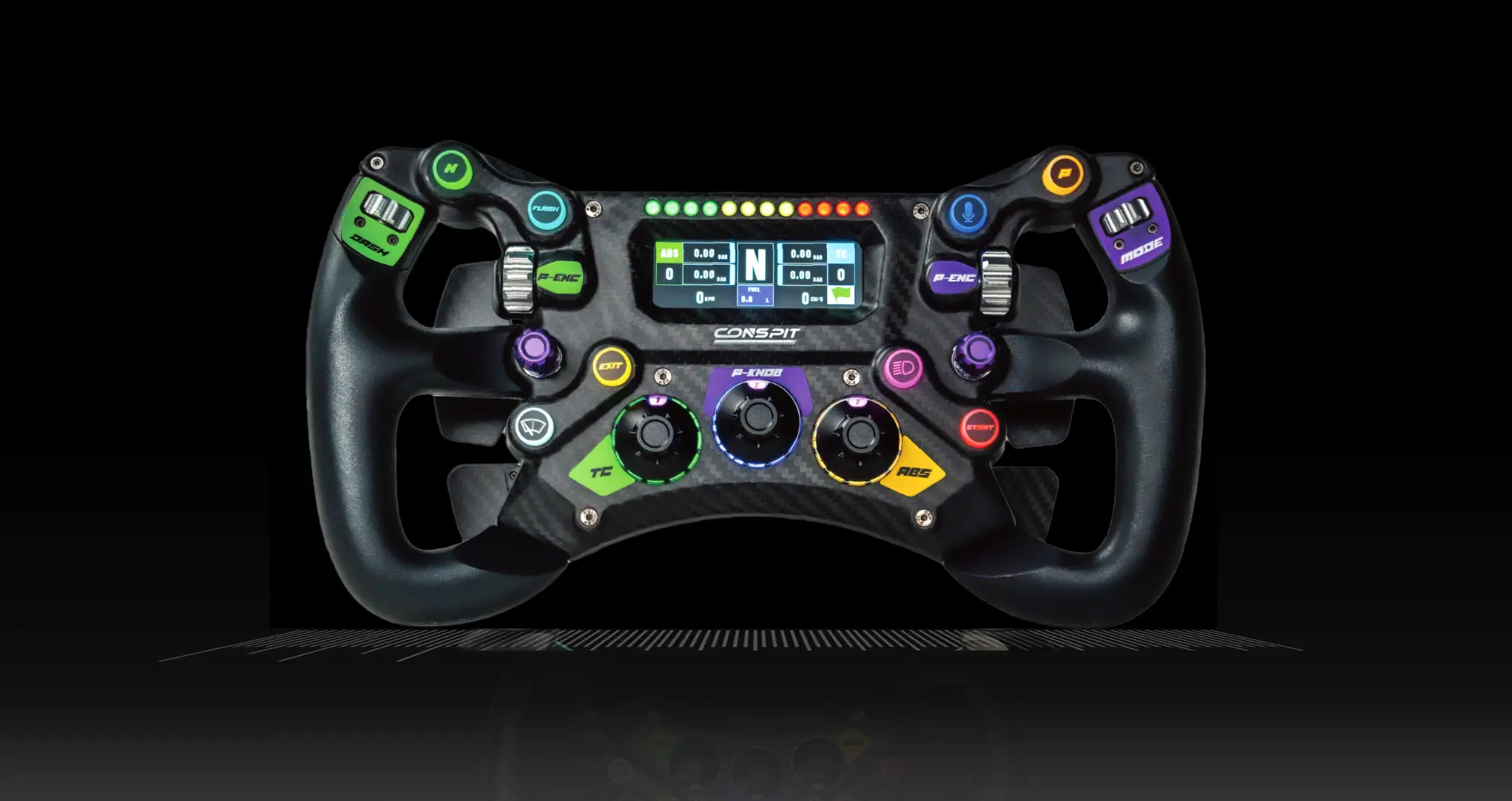
CONSPIT 300GT STEERING WHEEL
Best Value @ $399
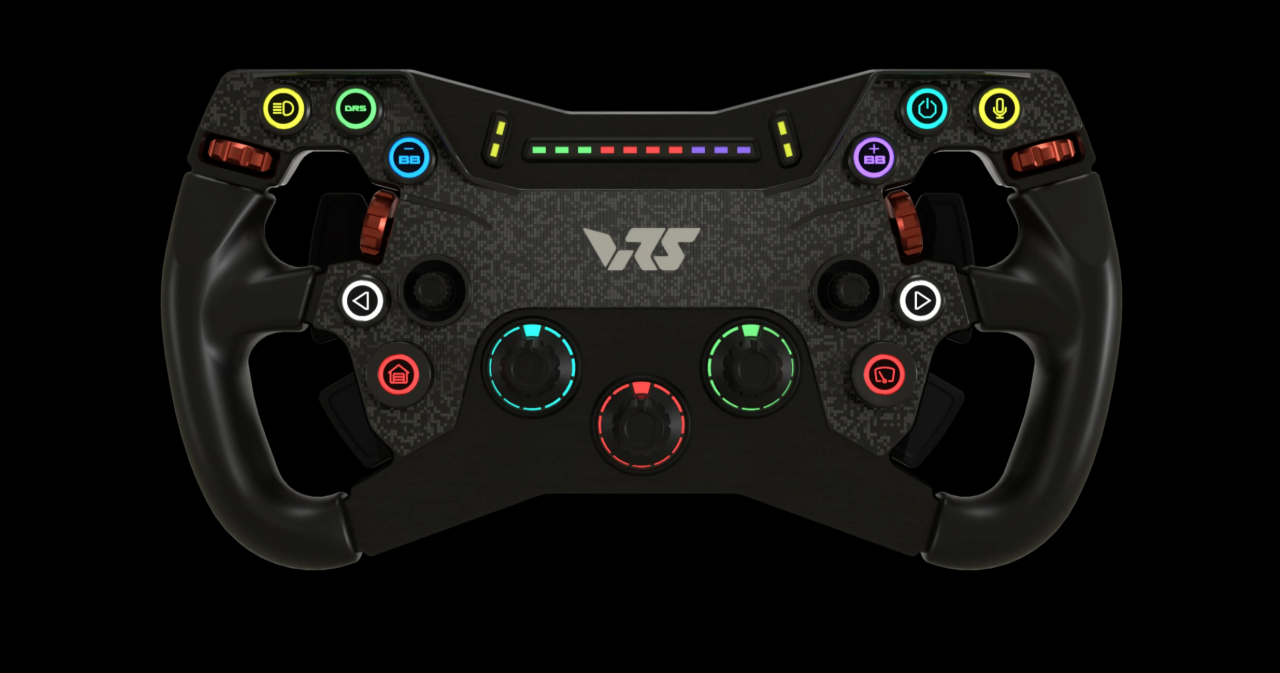
VRS R295 Steering Wheel
Best Value @ $349
MOZA FSR2 Formula Wheel
Best Value @ $649
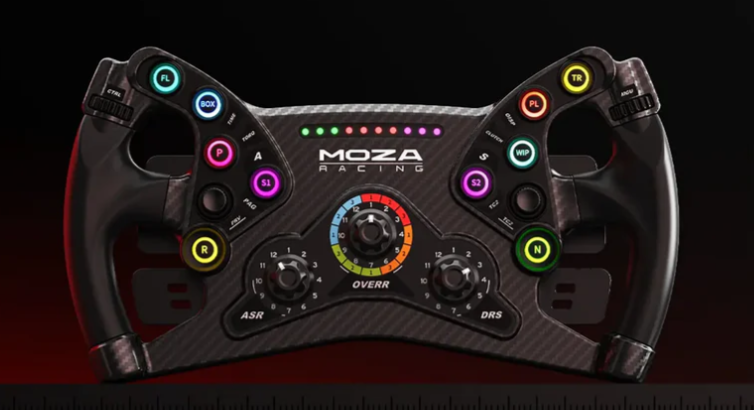
MOZA KS Steeering Wheel
Best Value @ $249
A full-motion racing simulator can stop traffic at a corporate event. The sound, movement, and competition pull people in fast. But corporate simulator guest flow determines what happens next: a polished branded experience with excited guests, or a long line where people lose interest before they ever reach the cockpit.
For conference planners, marketers, and team-building coordinators, guest flow is not a minor operational detail. It is part of the experience. The right plan gives more people a real chance to race, keeps spectators engaged, gives your brand more time in view, and lets professional racing coaches turn first-time drivers into confident competitors.
Why Corporate Simulator Guest Flow Sets the Event Tone
A simulator activation has two audiences at all times. There is the driver in the seat and the group watching around them. A strong setup serves both. Drivers need a clear check-in point, a quick orientation, support getting into the rig, and enough seat time to feel the car respond. Spectators need a reason to remain nearby rather than treating the activation as a line to endure.
That is where premium equipment and event staffing make a measurable difference. Pro-driver-grade controls, full-motion platforms, large displays, and visible live timing create a show before guests even take their turn. Coaches keep the pace moving while helping each person understand braking, steering, and race starts. Instead of fumbling through menus or adjusting hardware, guests arrive at the grid ready to drive.
The objective is not simply to cycle the greatest possible number of people through a simulator. It is to create enough energy and participation for the activation to feel valuable. The best rotation speed depends on whether the event is built for lead generation, employee competition, hospitality, or a high-traffic trade show.
Plan Capacity Before You Select Race Length
The most common guest-flow problem is choosing race sessions based only on what sounds fun. A ten-minute race may be excellent for a private client event with a limited guest list. At a convention with several hundred attendees, it can create a queue that no amount of enthusiasm can fix.
Start with three practical numbers: expected participants, the active event window, and the number of simulators. Then account for the full guest cycle, not just time on track. Each cycle includes welcoming the driver, a fast briefing, getting seated, running the session, exiting safely, recording the score, and preparing for the next racer.
A three-minute hot-lap challenge often becomes a five-to-seven-minute total cycle once those pieces are included. A coached head-to-head race may take longer, but it can deliver a stronger team-building result because the shared competition has more meaning. Neither approach is automatically better. It depends on the crowd and the outcome your event needs.
Choose a Rotation That Fits the Room
For open-floor activations, short qualifying sessions generally keep the experience accessible. Guests can return later to improve their lap, which creates repeat engagement without forcing everyone into a single long queue. A leaderboard gives each run a purpose and turns the nearby crowd into an audience.
For employee appreciation events or executive hospitality, longer race formats are often worth the lower throughput. Guests have time to learn the circuit, settle into the full-motion feedback, and race against colleagues. In these settings, the conversation around the simulator can be as valuable as the driving itself.
For larger groups, multiple simulators should be treated as a single racing operation. Starting drivers together, using the same track, and displaying shared positions makes the experience feel like a real race rather than several disconnected demos.
Account for Arrival Patterns
Guest volume rarely arrives evenly. A trade show may see major surges after keynote sessions, during exhibit hall breaks, and near the end of the day. A corporate party may start slowly, then fill quickly after food service or speeches conclude. Build capacity for the peak rather than planning solely around the average.
If a high-volume period is unavoidable, use a visible sign-up system or timed race slots. This gives guests permission to explore the rest of the event instead of standing in a line. It also gives your team a more accurate view of demand. A long physical queue can look impressive for a few minutes, but it becomes a problem when people cannot tell whether their wait will be ten minutes or forty.
Make the Waiting Area Part of the Activation
The most effective corporate simulator guest flow does not treat waiting guests as inactive guests. Position the simulators so people can see the drivers, the cars, and the leaderboard. Large screens should be legible from outside the immediate racing area. If branded in-sim liveries and track billboards are part of the program, make sure spectators have a clear view of them.
Branding is most effective when it belongs to the action. Your logo on the simulator hardware gets attention at the venue. Your identity on the racing cars and virtual circuit creates a second layer of exposure during every lap. That visibility continues while drivers race and while colleagues watch, photograph, and discuss the results.
Consider the waiting experience in stages. Guests should be able to see where to register, know what they are waiting for, watch the competition, and understand what happens when their name is called. Clear visual cues reduce repetitive questions and let the event team focus on hospitality.
A leaderboard works especially well when it has a recognizable prize structure. Daily fastest lap, team-versus-team results, or a final race among top qualifiers can motivate participation throughout the event. Keep the rules easy to understand. If guests need a lengthy explanation to know whether they are winning, the format is doing too much.
Racing Coaches Keep the Line Moving and the Fun High
Professional racing coaches are a guest-flow asset, not an optional add-on. They prevent the small delays that accumulate when a first-time driver does not know where to place their hands, which pedal is the brake, or when to begin. More importantly, they make the simulator feel approachable for people who have never played a racing game or followed motorsport.
A good coach reads the guest in front of them. One driver may need a quick reminder to brake earlier. Another may only need reassurance that they can enjoy the experience without setting a fast time. Competitive guests can receive sharper feedback and an invitation to chase the leaderboard. This tailored support keeps the event inclusive without slowing its pace.
Coaches also protect the quality of the equipment and the safety of the experience. Full-motion simulators require a confident entry and exit process, especially when guests are wearing business attire, dresses, or event badges. A trained team handles those transitions professionally so the next driver can get racing without unnecessary downtime.
Build the Floor Plan Around Visibility and Access
The footprint matters as much as the race format. Allow room behind and beside each cockpit for coaches to assist drivers, for guests to enter and exit comfortably, and for the motion platform to operate without crowding. Avoid placing registration directly in the path of exiting drivers. That simple separation prevents a bottleneck at the point where each session ends.
The activation should also have a natural spectator edge. If every guest must stand directly behind the simulators to watch, the area can feel cramped within minutes. Displays positioned for broader viewing help people follow the action from nearby tables, booth aisles, or lounge areas.
At a conference in Dallas, Nashville, Orlando, or another busy event market, the floor plan may need to fit a strict venue footprint. That does not mean the racing experience has to feel small. The right number of simulators, screen placement, and managed rotation can make a compact setup feel intentional and high-energy. Sim Racing Warehouse designs event programs around those real venue conditions, not an idealized empty room.
Match the Competition Format to the Business Goal
A branded hot-lap challenge is ideal when visibility and quick participation matter most. It gives sales prospects, attendees, and passersby a low-pressure entry point. A head-to-head format suits team bonding because guests have an immediate rival, a shared result, and a reason to talk afterward.
For a client event, consider qualifying earlier in the evening followed by a short final for the fastest drivers. This creates a natural event arc and encourages guests to return. For a trade show, ongoing leaderboards may be more practical because attendees arrive and depart at different times.
Avoid overloading the format with too many classes, scoring rules, or race modes. The simulator should feel premium, but the guest journey should remain obvious. Clear rules, attentive coaching, visible branding, and a pace that respects each guest’s time will outperform a complicated race structure every time.
When guests leave the cockpit smiling, know where they placed, and can immediately see your brand tied to the moment, the activation has done more than manage a line. It has created a memory worth discussing long after the checkered flag. Book your event today with a guest-flow plan built for the people you want to impress.
SHARE THIS STORY ANYWHERE YOU LIKE
SHARE THIS STORY ANYWHERE
fusion_global=”97″]
