

How to Choose Sim Racing Pedals That Fit You
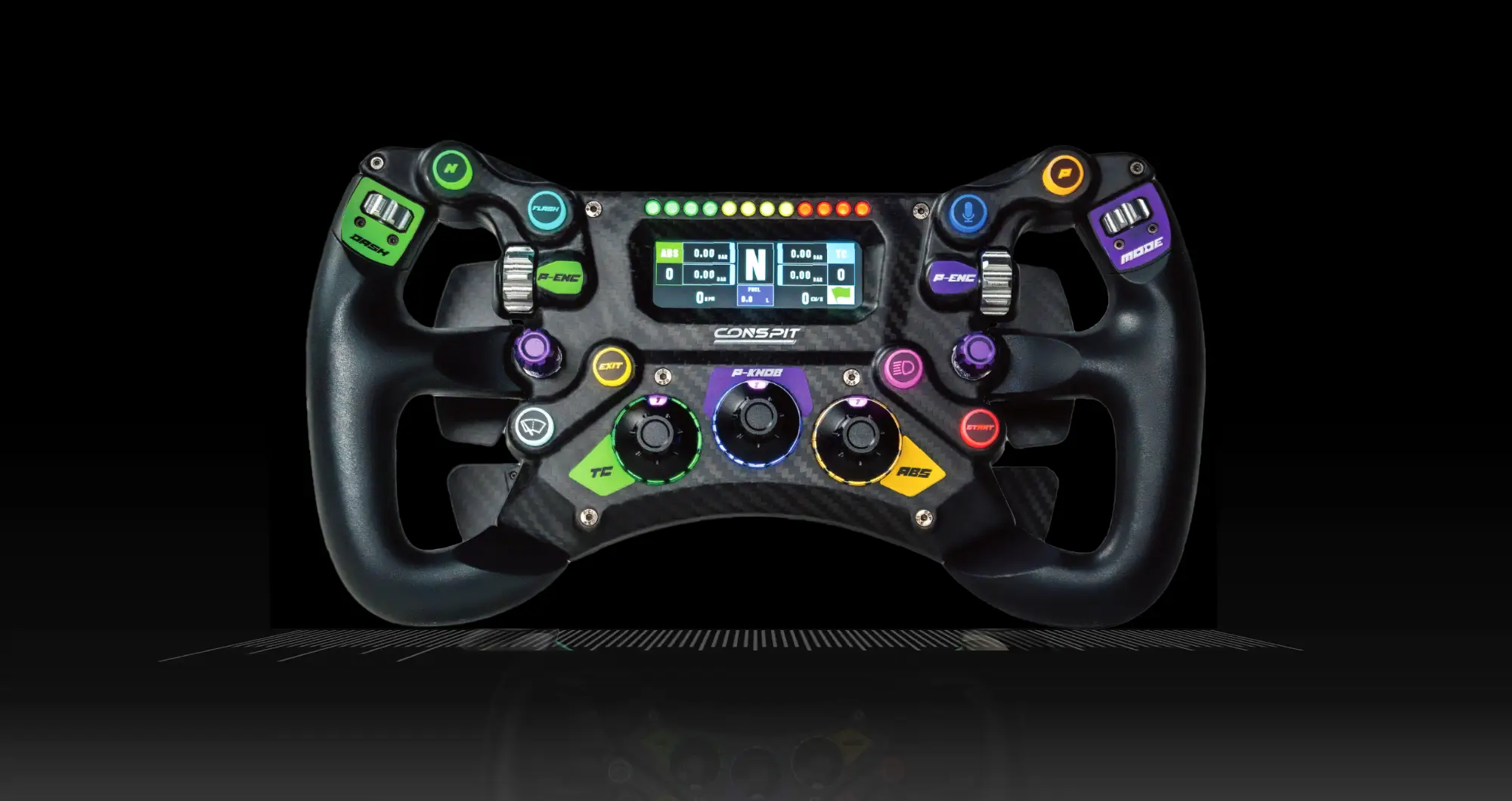
CONSPIT 300GT STEERING WHEEL
Best Value @ $399
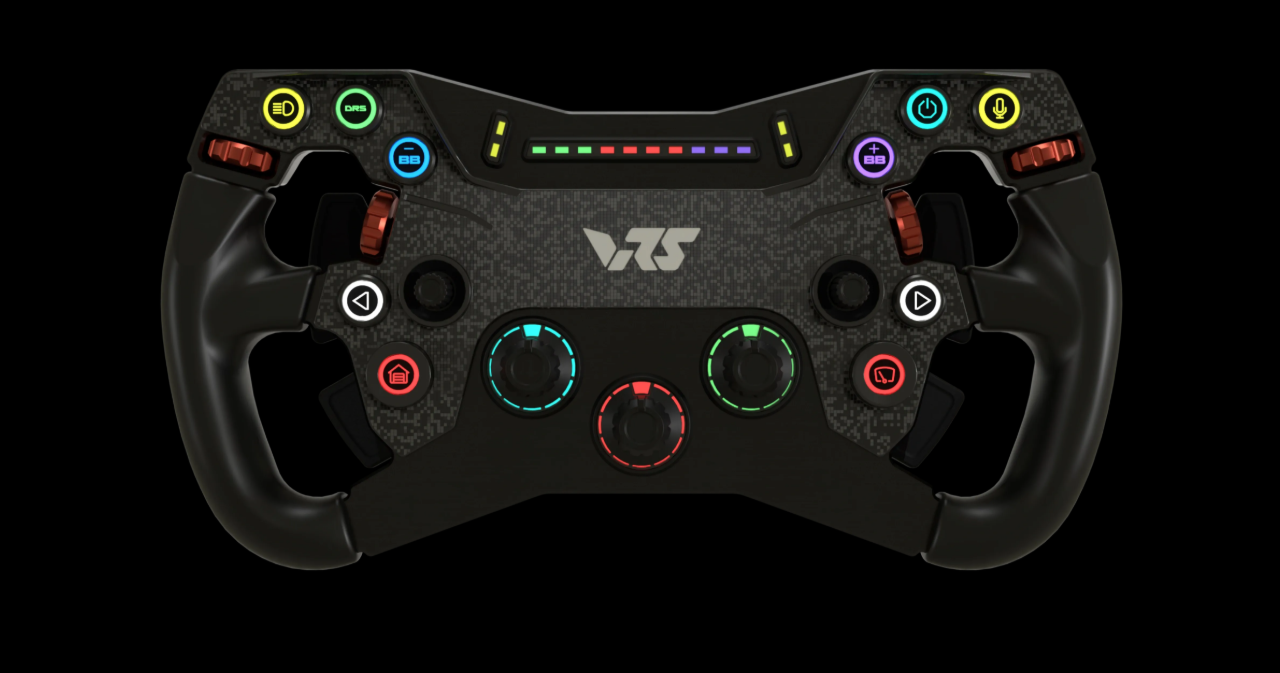
VRS R295 Steering Wheel
Best Value @ $349
MOZA FSR2 Formula Wheel
Best Value @ $649
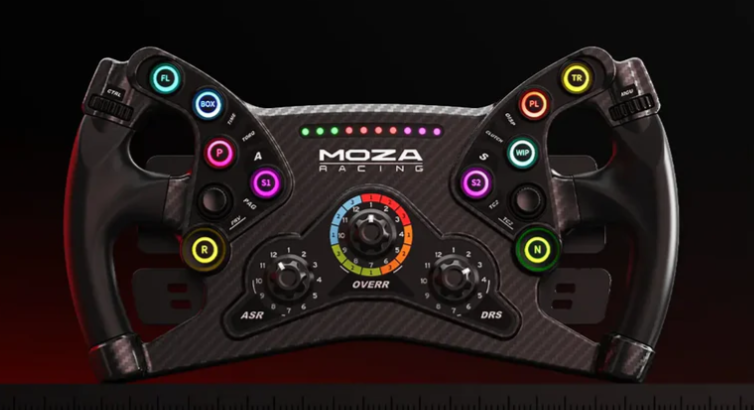
MOZA KS Steeering Wheel
Best Value @ $249
The fastest drivers rarely lose time because they missed a shift. They lose it because the brake pedal does not tell them where the limit is. Learning how to choose sim racing pedals starts there: not with flashy specs, but with the confidence to brake hard, trail off smoothly, and repeat the same input lap after lap.
Pedals are the physical connection between a driver and the simulator. A wheel may make a first impression, but a well-chosen pedal set is what turns a lively lap into controlled, consistent racing. Whether you are building a dedicated home rig, specifying hardware for a public-facing activation, or planning a competitive event experience, the right choice comes down to braking technology, adjustability, mounting, and the people who will use the rig.
How to Choose Sim Racing Pedals for Real Control
Start by deciding what you need the pedals to do. A casual driver in a compact setup may value simple installation and a softer, familiar pedal feel. A league racer will usually prioritize pressure-based braking, fine adjustment, and a rigid mounting solution. An event organizer has another consideration: pedals must feel impressive to first-time guests while remaining durable and easy for trained coaches to manage through a full day of driving.
The best pedal set is not automatically the stiffest or most expensive option. It is the set that matches your driving style, cockpit, available space, and willingness to tune the hardware. Pedals should make it easier to build muscle memory, not force you to fight the setup every time you get in the seat.
Potentiometer pedals: accessible, but limited
Entry-level pedals commonly use a potentiometer, which measures pedal travel. Press the brake farther and the simulator sees more brake input. This can be perfectly enjoyable for casual racing, especially when desk mounting, limited budget, or a simple starter rig is part of the equation.
The trade-off is consistency. In a real race car, braking is largely judged by pressure rather than by how far your foot moves. Travel-based pedals can make it harder to repeat threshold braking because the stopping point depends on the pedal’s position. They also tend to have lighter construction and less adjustment, which may become a limitation as the rest of the simulator improves.
Load cell pedals: the performance sweet spot
A load cell brake measures force. Instead of asking your foot to find the same pedal distance every corner, it asks you to apply the same pressure. That is much closer to the way drivers brake in performance cars, and it is why load cell pedals are often the most meaningful upgrade in a sim racing setup.
The initial sensation can surprise new users. A properly configured load cell brake may feel firmer than a road car pedal, particularly when mounted to a rigid cockpit. Give it time. Once the brake force and elastomers are adjusted to the driver, pressure-based braking makes trail braking, threshold braking, and brake release far more repeatable.
For premium home simulators and high-traffic event builds, load cell pedals offer a strong balance of realism, reliability, and practical tuning. They provide a serious driving experience without demanding the extreme force levels or specialized setup attention associated with some hydraulic systems.
Hydraulic pedals: maximum feel, more commitment
Hydraulic pedals use fluid pressure to create a brake feel that can closely resemble a real race car. They can deliver excellent progression, feedback, and resistance, especially for experienced drivers who know exactly what they want from the brake pedal.
That fidelity comes with trade-offs. Hydraulic systems are typically more expensive, need a very solid cockpit, and may require more maintenance and setup knowledge. They are a premium choice for dedicated enthusiasts and professional-grade applications, not a requirement for fast, rewarding sim racing. A high-quality load cell set, properly mounted and calibrated, will outperform poorly configured hydraulics every time.
Match the Pedals to the Cockpit
Pedals do not operate in isolation. A firm brake attached to a flexible wheel stand creates a frustrating chain reaction: you press harder, the pedal plate moves, your chair rolls back, and your braking point changes. Before investing in advanced pedals, assess the foundation underneath them.
A rigid aluminum profile cockpit or well-built tubular frame allows you to use higher brake forces without flex. It also lets you position the pedals at a natural angle and distance. Your knees should be comfortably bent at full brake pressure, and your hips should stay planted in the seat. If you need to lock your leg straight to reach maximum braking, the pedal tray is too far away.
For a shared simulator at a corporate event or trade show, adjustability matters even more. Drivers will vary widely in height, footwear, and experience. A pedal platform with clear adjustment points helps your trained racing coaches quickly create a comfortable position, keeping the line moving and the experience fun for every guest.
Prioritize Brake Adjustment Over Feature Count
When comparing pedal sets, look beyond the number of adjustments listed on a product page. The adjustments that matter most affect the brake: force range, pedal travel, preload, and the progression from initial pressure to maximum braking.
Elastomers, springs, and dampers all change that progression. A softer setup gives more travel and can feel approachable for guests or newer drivers. A firmer setup can provide a clearer pressure reference for competitive racers. Neither is universally better. The goal is a brake that lets the driver reach maximum braking without strain, then ease off with precision as the car turns toward the apex.
Throttle and clutch adjustment still matter, but they are secondary. A smooth throttle helps control traction on corner exit, while a clutch with a defined bite point adds realism for cars that use manual starts. If you primarily drive modern GT or formula cars with paddle shifting, a clutch may be less essential than investing that budget in a better brake system.
Consider Pedal Spacing and Driving Discipline
Pedal spacing affects more than comfort. Drivers who use left-foot braking need enough room to move naturally between the brake and throttle without clipping pedals. Drivers who want to practice heel-and-toe downshifts need a pedal arrangement that allows the right foot to overlap the brake and throttle predictably.
Look for independently adjustable pedal faces and lateral spacing if you have specific ergonomic needs. This is especially valuable in a cockpit used by several drivers. Small changes in angle or spacing can make a large difference in confidence.
Do not assume that a formula-style pedal position is right for every rig. Formula cockpits place the driver in a reclined position with elevated legs, while GT-style and touring-car-inspired setups keep the driver more upright. Pedal angle and brake force should support the seating position, not work against it.
Check Compatibility Before You Buy
Most premium pedal sets connect directly to a PC by USB, which makes them easy to integrate into a performance-focused simulator. Some can also connect through a compatible wheel base ecosystem. Direct USB is often the more flexible choice because it allows independent calibration and makes future wheel upgrades simpler.
If you use a console, compatibility requires closer attention. Not every USB pedal set works natively with every platform, and some configurations need approved ecosystem hardware or additional adapters. Confirm the intended platform before choosing a pedal set, particularly when the simulator will be deployed for an event where troubleshooting time is limited.
Also examine the mounting pattern. A pedal set can be excellent on paper and still be a poor fit if the cockpit tray does not support its bolt locations or if the mounting plate flexes under braking. A purpose-built pedal plate and secure hardware are part of the purchase, not an afterthought.
Choose for the Drivers You Actually Have
A dedicated competitor can justify a firm, highly adjustable pedal set that rewards detailed tuning. A household setup shared by beginners may benefit from a more approachable brake curve and straightforward calibration. For branded simulator experiences, the best choice is equipment that feels convincingly professional while remaining dependable through hundreds of guest sessions.
That is why pro-driver-grade hardware matters at events. Guests may not know the terminology behind load cells or brake force curves, but they immediately understand the confidence of a pedal that feels planted, responsive, and natural. With a racing coach helping them find their braking markers and build speed, the hardware becomes part of an unforgettable experience rather than an obstacle between the guest and the track.
Sim Racing Warehouse can help match pedals, cockpit hardware, and the rest of a complete simulator build so that each component supports the next. The right set should give you a clear, repeatable brake signal every time you turn into Turn 1 – then let your driving do the talking.
